
 Home
Home Decode
 Tech
Tech Tools
Tools Dale's Coins/CDs
 Contact
 Chevelle
of the Month
Chevelle
of the Month Things
For Sale
Things
For Sale Custom
Stickers
Custom
Stickers1972 Chevelle's "SS" option (Malibu series)
[ 1964 ] | [ 1965 ] | [ 1966 ] | [ 1967 ] | [ 1968 ] | [ 1969 ] | [ 1970 ] | [ 1971 ] | [ 1972 ]
Any comments/corrections/additions please send them to me and be sure to specify which year.
Technically, there was no SS Chevelle (or Chevelle SS, Malibu SS, or whatever name one want to use) in 1972.
1972 continued with the "one-size-fits-all" theme of RPO Z15 SS Equipment with any optional V8 and optional transmission available with the Z15 option. The Z15 SS Equipment option continued to be available on only the Malibu 2-dr sport coupe, convertible, pickup body styles. See 1971 SS description for more details and photos.
Chevrolet did change the syntax of the VIN to indicate the series designation and included the engine size/hp for the first time. Fisher Body did not change the Style designation on the Fisher Body Number plate however and continued with 13637-type style numbers.
Including the engine size did help identify a Z15 optioned Chevelle in one respect. Since the 454 engine required the Z15 SS option, if the VIN has the letter "W" as the engine designation, the car had to be a Z15 SS-optioned Chevelle. While there is this change, Fisher Body Number plates still showed no indication of the option. Engine codes in the VIN were "W" for the LS5/454, "U" for the LS3/402, "J" for the L48/350-4, "H" for the L65/350-2, and "F" for the base/307-2 engines. As in 1971, three engines that could be ordered with the Z15 option could also be ordered without the option; LS3, L65, and L48. So any of these three engines would not prove or disprove the Z15 option. Interesting to note the LS3 was now called the Turbo-Jet 400 in various documents.
As with 1971, the 307 cubic inch engine could not be ordered with the Z15 option since it was not an optional engine but rather the base V8 engine. No documented 307 has been reported with the Z15 option.
Like 1971, not all SS-optioned Chevelles came with a 12-bolt rear end. The SS Equipment option was available with any optional V8 engine in 1972 as noted above. The L65 350-2bbl engine came standard with a 10-bolt rear end and only equipped with a 12-bolt rear end when the trailer option (RPO YD1) was ordered. The other 3 optional V8 engines (L48, LS3, and LS5) were outfitted with 12-bolt rear ends so when one of those engines was ordered along with the SS Equipment option a 12-bolt rear end was used. Positraction was still an option; an open rear end was standard. However, a 12-bolt rear end, as well as Positraction, was available on non-SS-optioned Chevelles as well so the presence of a 12-bolt (with or without Positraction) is not an indication of a 1972 SS-optioned Chevelle.
Chevrolet documentation notes that the Turbo-Fire 307, Turbo-Jet 400 (LS3) and Turbo-Jet 454 (LS5) engines were not available for registration in the state of California. That limits 1972 SS-optioned Chevelles from Van Nuys (to California dealers) to either the L65 350-2bbl or L48 350-4bbl engine.
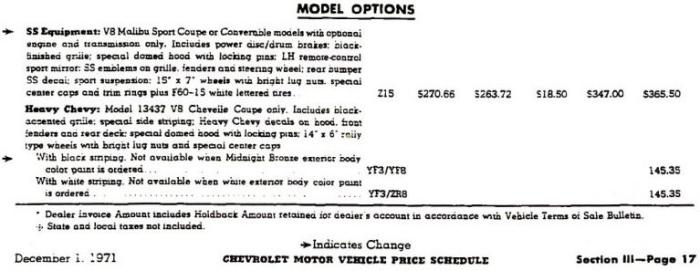

These snips, from Chevrolet's documentation, shows the equipment supplied
with the Z15 option. Two 3-speed manual transmissions were back on the
table (M11 & MC1)for the two 350 engines as well as the 402, the
454 still mandated either the M40 TH400 or M22 4-speed. Like 1971, when
the 454 engine was ordered, the fender emblems displayed "SS454"
and when any other engine was ordered, only "SS" emblems were
displayed on the fenders on sport coupes, convertibles, & Custom
El Caminos and the tail gate of the Custom El Camino.
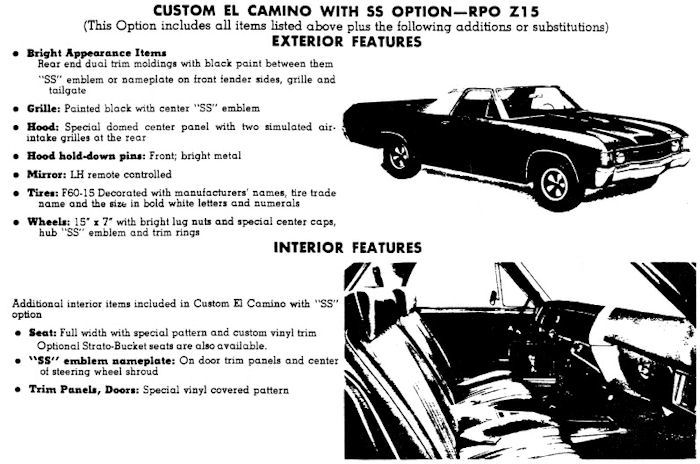
The ZL2 cowl induction hood was still available and listed as available for both the LS3 (402) and LS5 (454) engines. Hood locking pins continued to be part of the Z15 option as well as 15" x 7" wheels.
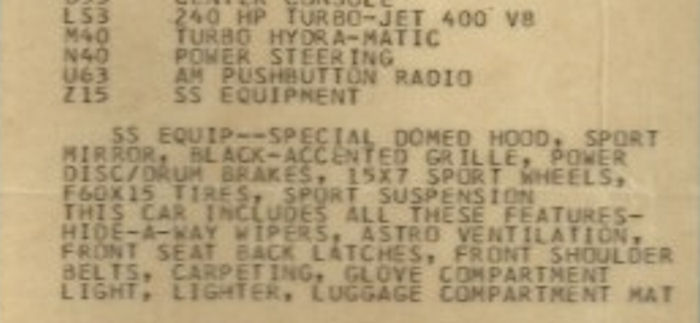
This is verbiage from window sticker on a 1972 SS-optioned Malibu sport
coupe. This happens to be an LS3-optioned car as well but no ZL2 cowl
induction hood.
SS wheels and badging remained essentially unchanged from the 1971 model year. Wheel color is best matched with Ditzler DQE-32961 or DuPont 9901L.
Continuing from 1971 was the lack of bright trim in the engine compartment, even for the 454. The valve covers were painted orange just like the rest of the engine and the air cleaner was the typical satin black. Gone too were any engine size decals on the air cleaner.
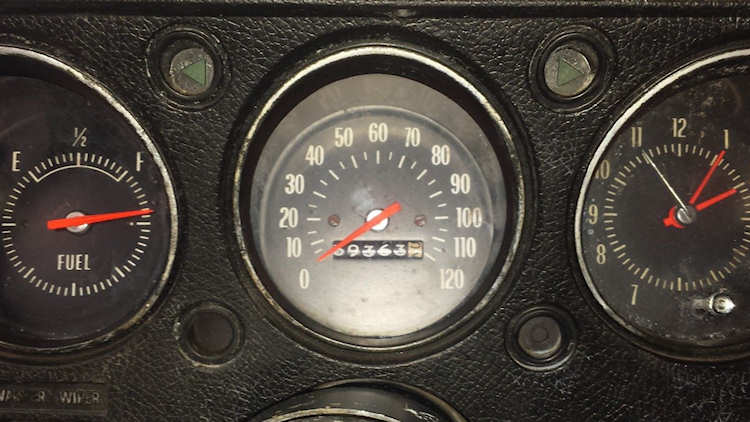
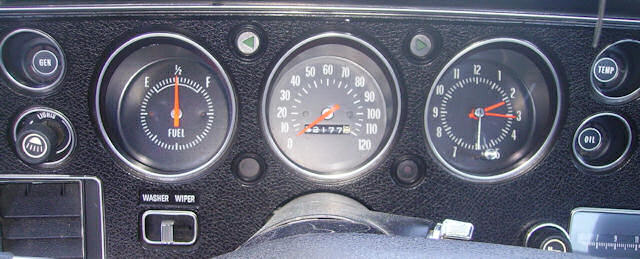
The SS Equipment optioned Chevelle came with the round gauge
pods as they did in 1970 and 1971. The U14 Instrument Panel gauges were
still optional however and the U14 gauge option could also be ordered
on a non-SS Malibu coupe, convertible, or pickup. The same 'rules' applied
as in 1970/1971 so the presence of gauges is not an automatic indication
of the SS option; round gauge pods without gauges would indicate an
SS but the round gauge pods with gauges only means gauges were ordered
whether the SS option was ordered or not. The numbers and letters on
the 1972 gauge option were white as they were in 1971. All models of
Chevelles got the dash knobs (radio, lighter, and headlamp) with function
symbols.
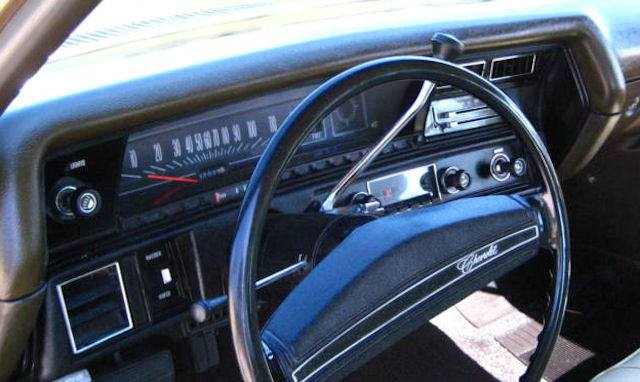
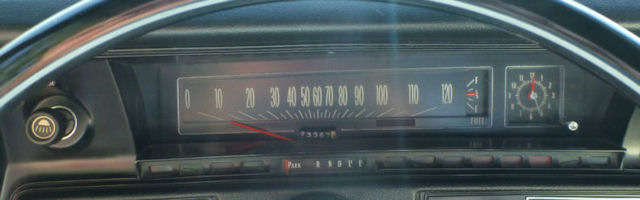
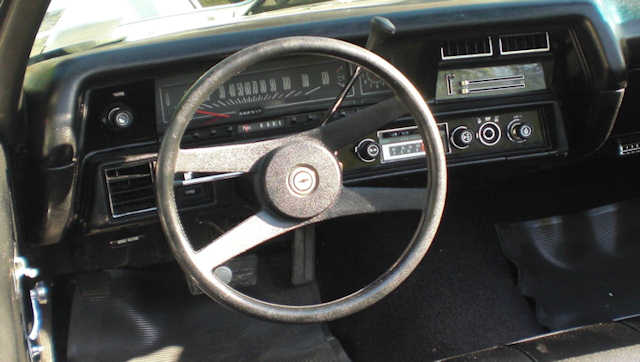
1972 non SS optioned Chevelle sweep dash carrier. For 1972, all models
received the knobs with function symbols, not just the SS optioned Chevelles.
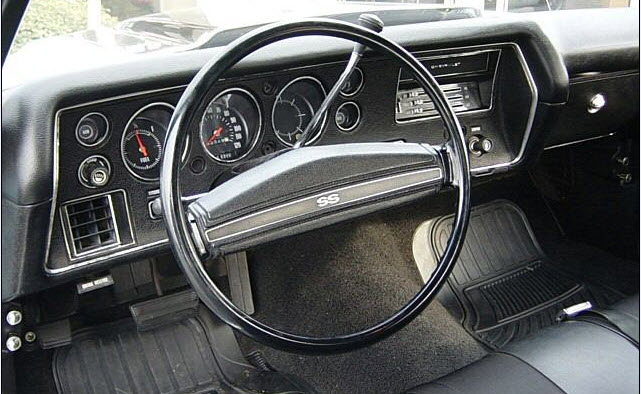
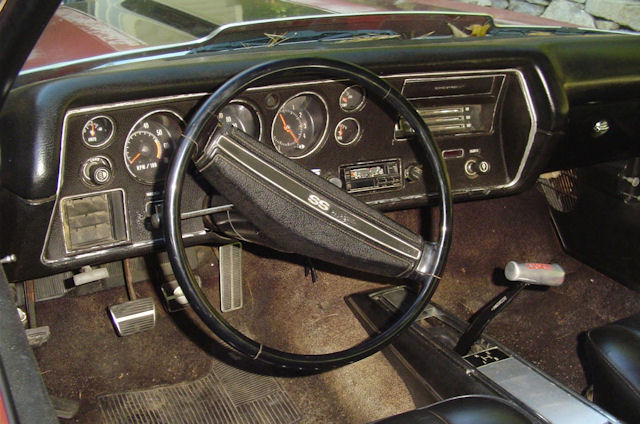
As in the 1970 & 1971 SS-optioned Chevelles, the dash received the
round gauge pods but not optional gauges (tachometer/water
temp/ammeter/clock) unless they were ordered under RPO U14. Shown
here is the standard SS dash and note lack of optional gauges. Top
image shows column-mounted automatic transmission while lower image
shows a floor-shifted transmission and optional clock. Without gauges
ordered and no tachometer, one can only determine the original
engine size by the engine designation letter in the VIN.
Here's an SS-optioned Malibu with an L65 350-2bbl engine and optional gauges. A little hard to see but the redline is 5000 which is correct when gauges were ordered with either 350cid engine.
Yes, the H.D. 3-speed was still standard on all but the LS5 equipped
SS optioned Chevelle. Here is the standard H.D. 3-speed in a 402 SS
optioned Chevelle.
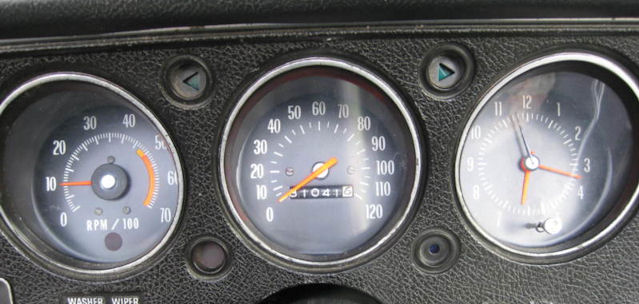
Another SS optioned Malibu with gauge package. This happens to be the
L48 version of the 350 engine with a 4-barrel carburetor. Note redline
on tachometer is still 5000 RPMs.
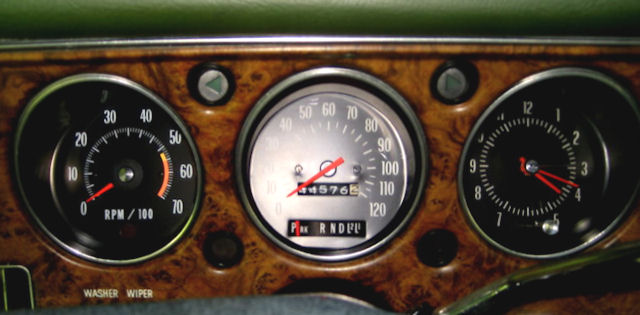
Note the wood grain on the Monte Carlo dash. All Monte Carlo dashes
have the round gauge pods. A Monte Carlo dash is often swapped into
a Chevelle but the wood grain is a giveaway. Also note this Arlington
car has a 5500 redline tachometer but the car is equipped with a 350-4 engine
and should have the 5000 redline tachometer.
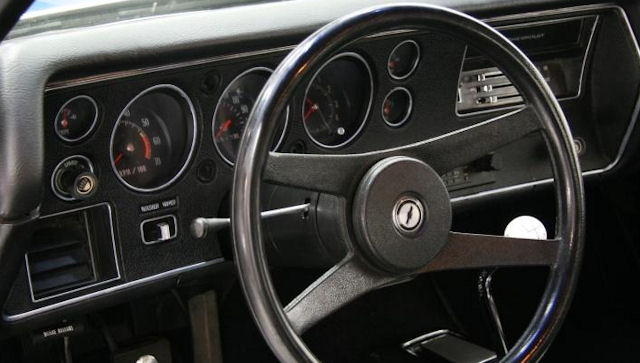
This example is an SS-optioned Malibu with a 454 engine and note the
redline on the tachometer is 5500.
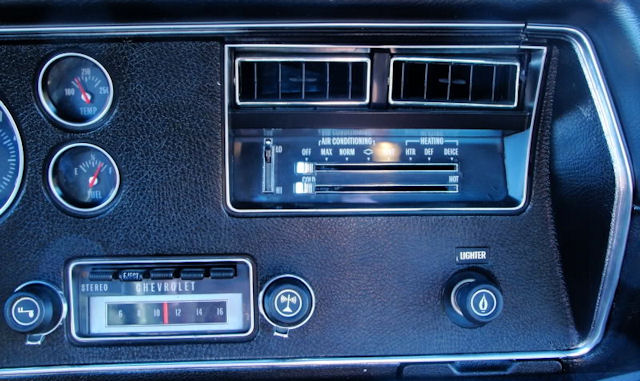
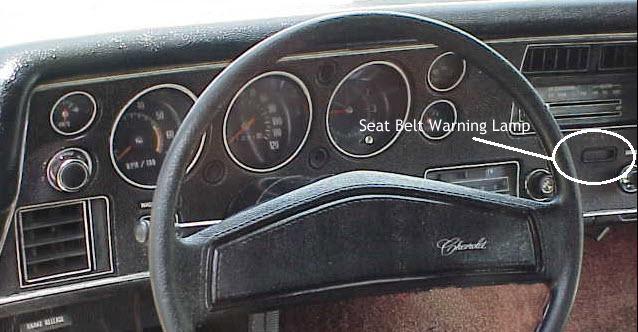
Early 1972 Chevelles did not get the Seat Belt Warning Lamp. This
is an early November Chevelle from Baltimore.
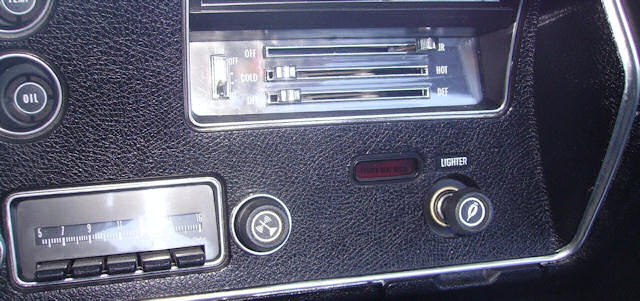
After November 1971 a seat belt warning lamp was included in the
dash just above and to the left of the lighter element. At least one
very early November car (from Arlington, TX.) owner reports the warning
lamp provision is in the dash but there is no wiring.
There is no exact known date when the change was made and naturally
any older dashes would be used until the plant stock was depleted.
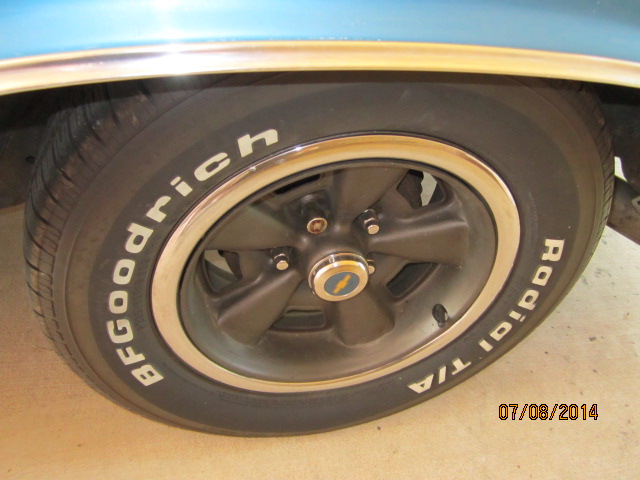
The 1972 SS wheel was unchanged from the 1971 SS wheel.
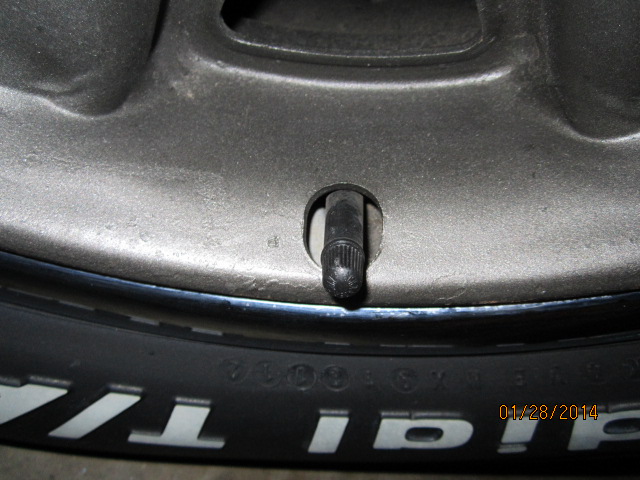
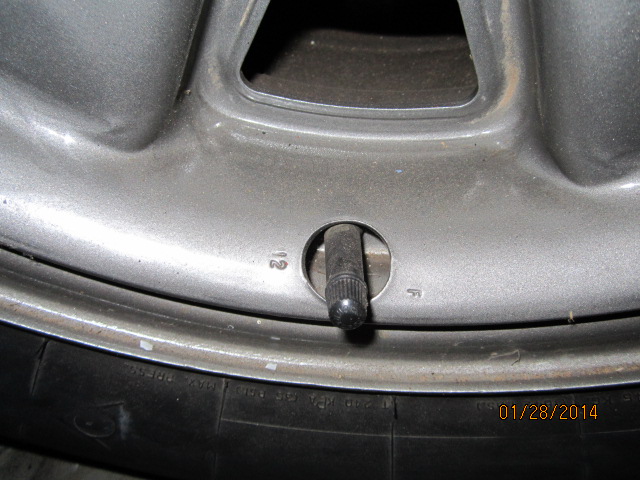
Often a Camaro wheel will find its way on a Chevelle. Note the differences
in the Chevelle SS wheel in the top photo compared to a Camaro wheel
in the bottom photo. The Chevelle wheel has an oblong opening for the
valve stem where the Camaro wheel is round.
It's reported the back of the rear view mirror was also changed from stainless steel to a flat black for safety reasons.
Horsepower ratings were changed in 1972 to reflect "SAE NET" standards. So even though the engines were essentially the same as 1971, ratings were changed from 245 to 165 for the L65 350-2 engine, 270 to 175 for the L48 350-2 engine, 300 to 240 for the LS3 402 engine, and 365 to 270 for the LS5 454 engine.
RPO D88 Hood & Deck stripes continued to be optional on all Malibu sport coupe, convertible, and Custom El Caminos with or without the Z15 option and as part of the ZL2 cowl induction hood package. See Exterior-Interior Combinations/Seat Belts/Stripe Colors for more details on stripe colors. The sales of the ZL2 cowl induction hood dropped even more to just 3,659 units sold.
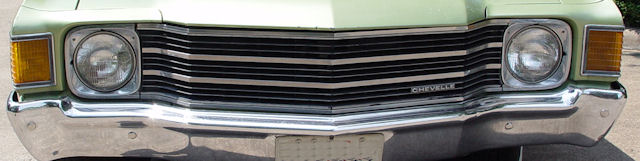
1972 saw the single horizontal bar from 1971 grow to two bars and the
bow tie emblem disappeared. Gone was the bow tie emblem from 1970 and
1971.
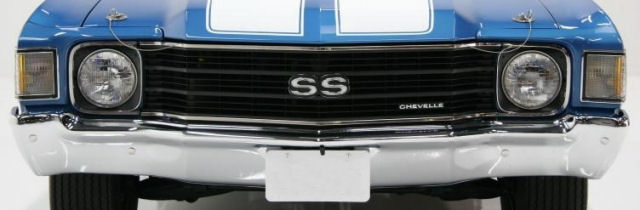
The bright center bars on the Malibu grille were blacked out on the
SS version and the obligatory "SS" emblem whether a sport
coupe, convertible, or pickup body style.
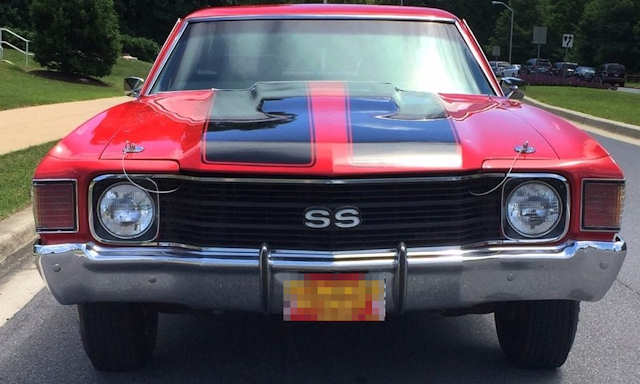
The bright center bars on the El Camino grille were blacked out on the
SS version and the obligatory "SS" emblem whether a sport
coupe, convertible, or pickup body style.
According to GM literature I have the black vs. bright headlamp bezels was a time sensitive item and not a Chevelle vs. Malibu vs. Malibu w/SS option item. The literature isn't clear which went which way but the matrix of standard exterior equipment has a notation the matrix was revised in December of 1971.
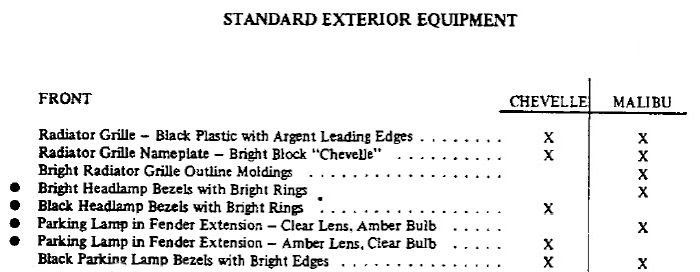
See http://chevellestuff.net/1972/misc/parking_lamp.htm for more information.
Looking at the photos above you'll notice the green Malibu has bright headlamp bezels and amber lenses while the blue SS optioned Malibu has black headlamp bezels and clear lenses. The green Malibu was built at Arlington, TX. in early December 1971 while the blue SS optioned Malibu was built in Kansas City, MO. in early May of 1972.
I have quite a few 1972 Chevelle images and the various combinations
of headlamp bezels and parking lenses seem to be all over the calendar
and plant. Combinations I'm referring to are:
Bright headlamp bezel with amber lenses, bright headlamp bezel with
clear lenses, black headlamp bezels with amber lenses and black headlamp
bezels with clear lenses.
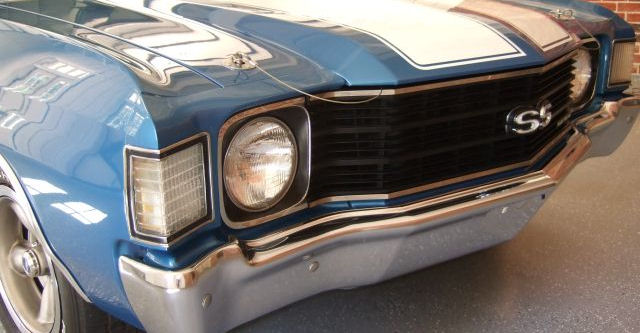
This SS optioned Malibu also has black headlamp bezels and clear lenses
and was built at Arlington, TX. in early March of 1972; compared to
the green Malibu above built in Arlington, TX. in early December of
1971 with just the opposite bezels and parking lamp lenses.
Bottom line...regardless of the headlamp bezel and parking lamp lens combination, it has no bearing on the Chevelle being SS optioned or not.
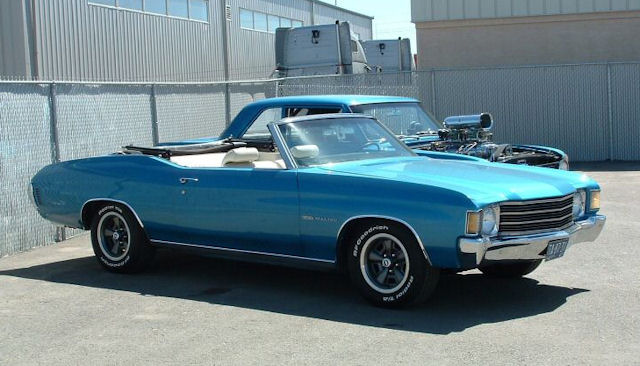
Note chrome rocker molding on non-SS optioned Malibus. This molding
was eliminated with the SS option but some dealers and/or former owners
may have installed it on SS optioned Chevelles.
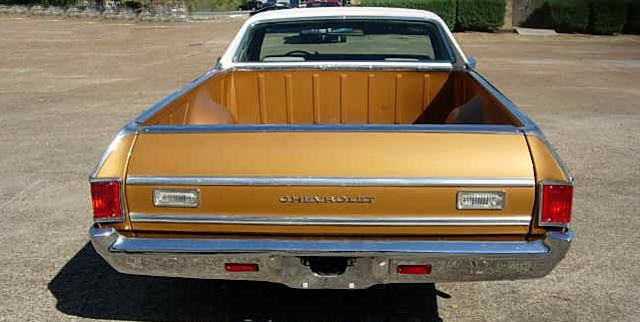
Base series El Camino (133/13480) tailgate with CHEVROLET script and
painted insert to match body color.
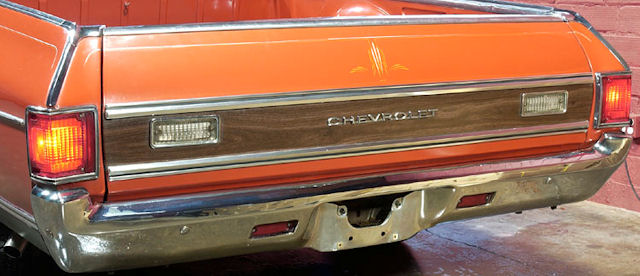
Malibu series Custom El Camino (13680) tailgate with CHEVROLET script
and wood-grain insert.
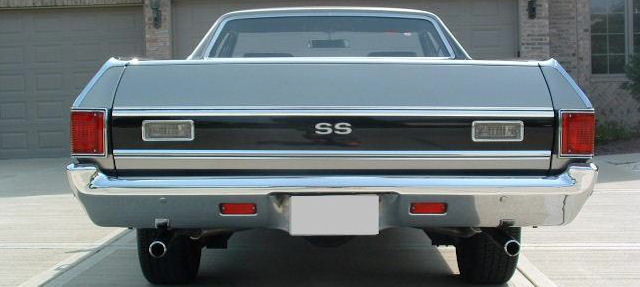
Malibu series Custom El Camino (13680) tailgate with SS (350-2, 350-4,
and 402-4) option SS emblem and blacked-out insert.
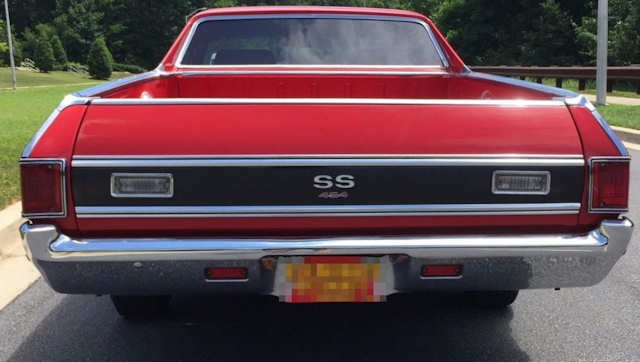
Malibu series Custom El Camino (13680) tailgate with SS
454 option SS emblems and blacked-out insert.
There have been several reports from El Camino owners with the 454 engine that their LS5 El Camino did NOT have the 454 script even though the Factory Assembly Instruction Manual does call for them. There appears to be no correlation of assembly plant and/or time frame to suggest a parts shortage or assembly plant SOP so it can only be attributed to negligence on the part of the assembly line and inspectors.


